Hyaluronic acid and retinol are two of the most talked-about skincare ingredients, and they get compared constantly — but they are not actually competing for the same job. One hydrates; the other renews. Understanding the difference is what stops you from buying the wrong product for your actual concern.
What Hyaluronic Acid Actually Does
Hyaluronic acid (HA) is a hydration ingredient, not a treatment ingredient. It is a naturally occurring molecule in your skin that can hold up to 1,000 times its weight in water. Applied topically, it draws moisture into the surface layers of skin, leaving it plumper and smoother almost immediately.
HA does not change skin cell turnover, does not fade dark spots, and does not reduce fine lines caused by lost collagen — its entire job is hydration. This is exactly why it is considered one of the gentlest, most universally tolerated ingredients in skincare: oily skin, dry skin, sensitive skin, and acne-prone skin can all use it without irritation risk.
What Retinol Actually Does
Retinol is a vitamin A derivative and a genuine treatment ingredient — it works at a cellular level to speed up skin cell turnover, which is why it is effective against fine lines, uneven texture, and some forms of acne over time. Unlike hyaluronic acid, retinol takes weeks to months of consistent use to show visible results, and it can cause temporary dryness, flaking, or sensitivity, especially in the first few weeks of use — commonly referred to as "retinization."
Why Retinol Needs a Slower Introduction
Because retinol accelerates cell turnover, introducing it too aggressively — every night, at full strength, right away — is the most common cause of the irritation people associate with "retinol not working for my skin." Starting two to three nights a week, and only at night, gives skin time to adjust before increasing frequency.
Can You Use Both Together?
Yes — and for most people, this is actually the ideal combination rather than a conflict. Hyaluronic acid hydrates while retinol treats, and layering HA underneath a retinol product can meaningfully reduce the dryness and flaking retinol sometimes causes during the adjustment period.
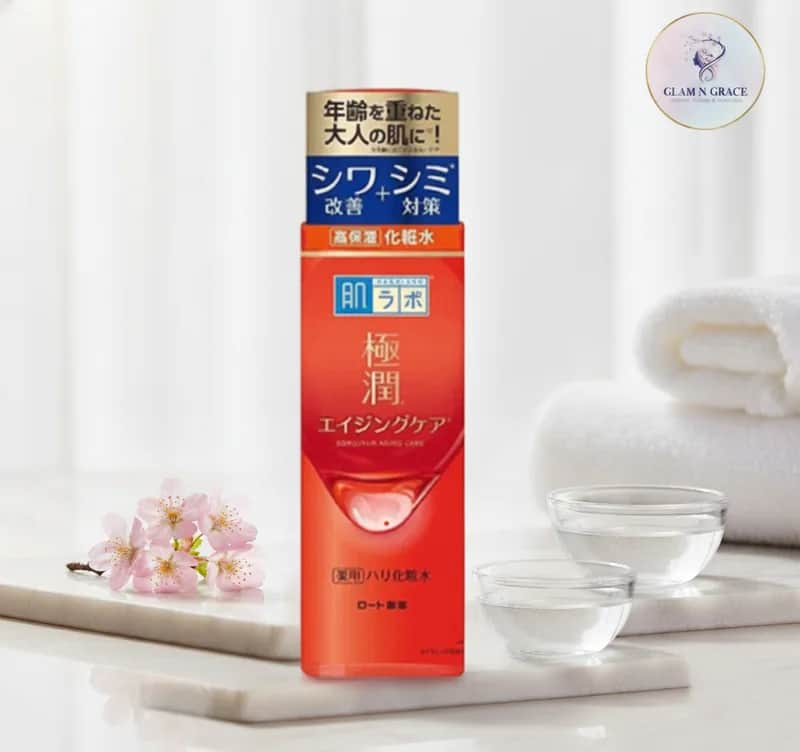
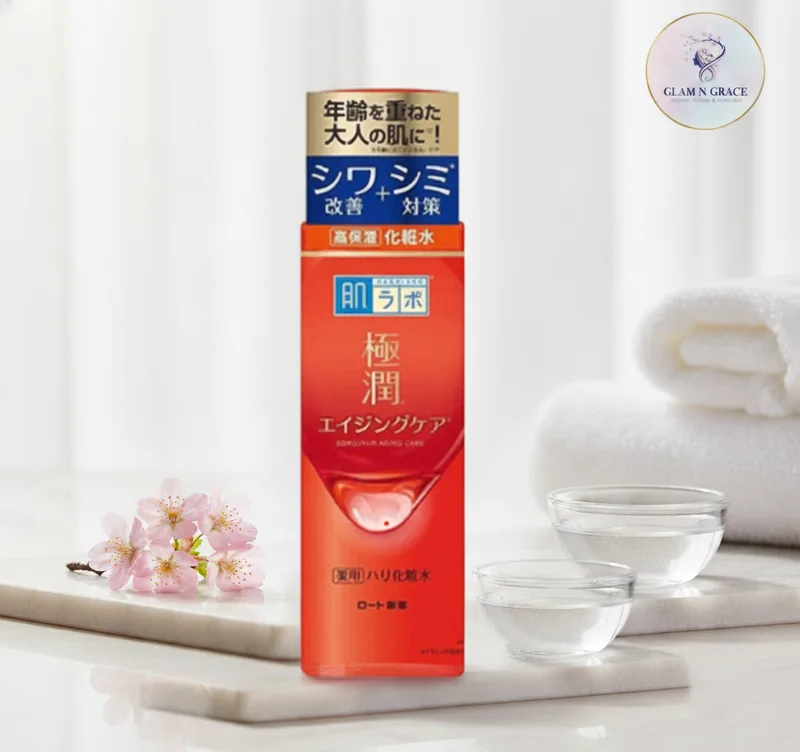
A simple, safe layering order at night: cleanse, apply a hyaluronic acid–based lotion like the Rohto Hada Labo Gokujyun Aging Care Lotion, wait a few minutes for it to absorb, then apply your retinol serum, such as the Retinol Renewal Night Serum.
Which One Should You Start With?
If you are new to active ingredients, start with hyaluronic acid alone for several weeks to establish a stable hydration routine. Once your skin is comfortable and well-hydrated as a baseline, retinol can be introduced gradually. Attempting both as a first-time active regimen is not dangerous, but it makes it harder to identify what is causing any irritation if it occurs.
A Note on Sun Sensitivity
Retinol increases sun sensitivity — this is not optional information, it is a requirement. Daily SPF 50+ PA++++ sunscreen is non-negotiable if retinol is part of your routine, both to protect increasingly sensitive skin and because unprotected sun exposure can undo much of what retinol is working to improve.
FAQs
Can hyaluronic acid replace retinol for anti-aging?
No — they address different mechanisms. HA improves the appearance of fine lines temporarily through hydration and plumping; retinol works at a deeper level to affect actual skin cell turnover and collagen-related processes over time. For visible long-term anti-aging results, retinol (or a similar active) is generally necessary.
Is it safe to use retinol every night once my skin adjusts?
For most people, yes, once the skin has built tolerance over several weeks. Some people with sensitive skin do better staying at three to four nights per week indefinitely — this is a personal tolerance question, not a strict rule.
Does hyaluronic acid work on oily skin too?
Yes. HA is not an oil-based ingredient and does not add greasiness — it hydrates through water-binding, which is why it is one of the few ingredients recommended across virtually every skin type, including oily and acne-prone skin.
Conclusion
Hyaluronic acid and retinol are not rivals — they are two different tools solving two different problems: hydration versus renewal. If your priority is comfortable, plump, hydrated skin right now, start with hyaluronic acid. If your priority is long-term texture and fine-line improvement, layer retinol in gradually, always underneath sunscreen the next morning.
সংক্ষেপে (Summary in Bangla)
Hyaluronic Acid আর Retinol দুইটা সম্পূর্ণ আলাদা কাজ করে — HA শুধু skin-কে hydrate করে, তাৎক্ষণিকভাবে plump আর smooth দেখায়, কিন্তু Retinol ধীরে ধীরে skin cell turnover বাড়িয়ে fine lines ও texture ঠিক করে। নতুন হলে প্রথমে শুধু HA দিয়ে শুরু করা ভালো, তারপর ধীরে ধীরে Retinol যোগ করা উচিত (সপ্তাহে ২-৩ বার রাতে), আর Retinol ব্যবহার করলে দিনে অবশ্যই sunscreen লাগাতে হবে।