If you have spent any time researching skincare online, you have probably run into the idea that Japanese skincare means ten serums, a jade roller, and forty-five minutes every night. That reputation belongs to Korean skincare's "10-step routine" trend, and it gets confused with Japanese skincare constantly. The truth is almost the opposite: Japanese skincare philosophy is built around doing fewer things extremely well, using gentle, high-quality formulas that respect your skin barrier instead of overwhelming it.
For someone just starting out — especially in Bangladesh's hot, humid climate — that makes Japanese skincare one of the easiest routines to actually maintain long-term. This guide breaks down exactly what a beginner routine looks like, step by step, and why each step matters.
Why Japanese Skincare Works Differently
Japanese skincare culture has historically prioritized "suppin bijin" — beauty that looks like healthy, cared-for skin rather than heavy makeup covering damage. That mindset shows up in the products themselves: gentle cleansers that do not strip the skin, hydration-first formulas built around ingredients like hyaluronic acid, and near-universal emphasis on daily sun protection.
For beginners, this matters because it removes the guesswork. You are not choosing between twelve different serums with overlapping claims. You are building a short, repeatable routine around three or four categories: cleanse, hydrate, protect, and (optionally) treat.
The Beginner's 4-Step Routine
Step 1: Gentle Cleansing
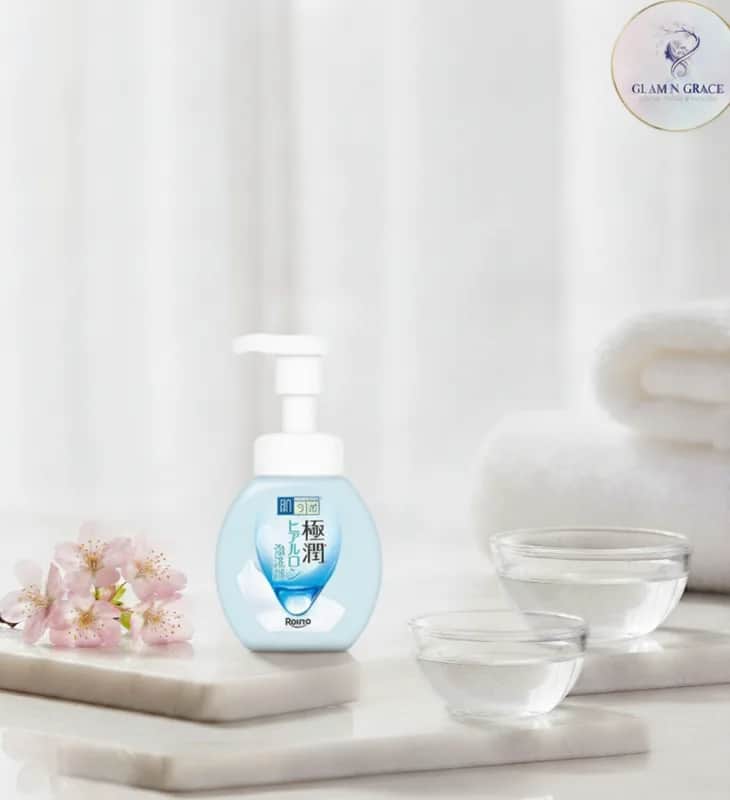
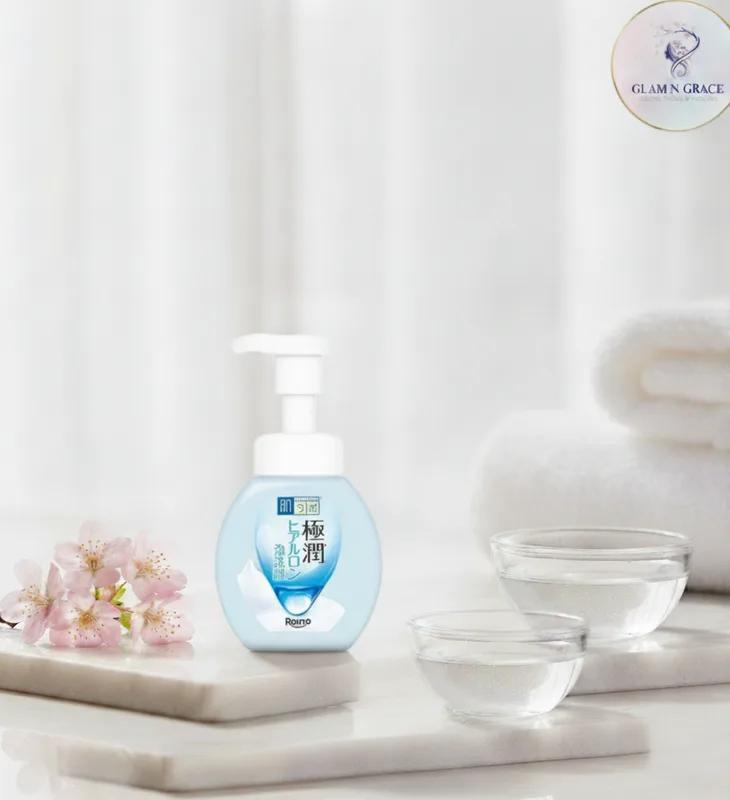
Start with a cleanser that removes dirt, oil, and sunscreen without leaving your skin feeling tight or squeaky. A foaming face wash — like the Rohto Hada Labo Gokujyun Hyaluronic Acid Foaming Face Wash — is a reliable beginner choice because it cleans thoroughly while still containing hydrating ingredients, so your skin does not rebound with extra oil production later in the day.
If you wear sunscreen or makeup, an oil-based cleanser or micellar water in the evening helps dissolve that layer first, before your foaming cleanser does the rest. This "double cleanse" sounds advanced, but it is really just two simple steps back to back.
Step 2: Hydration First
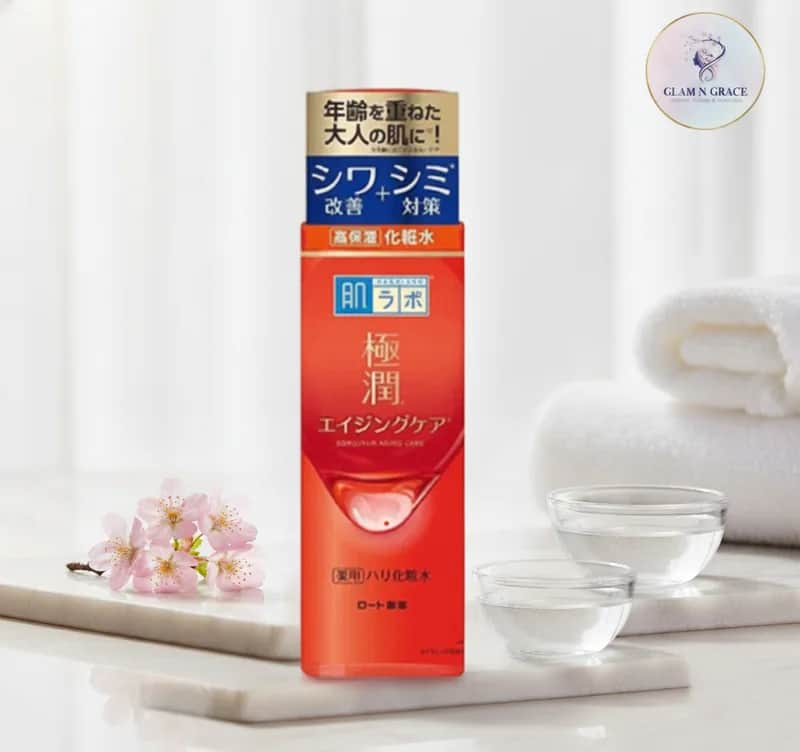
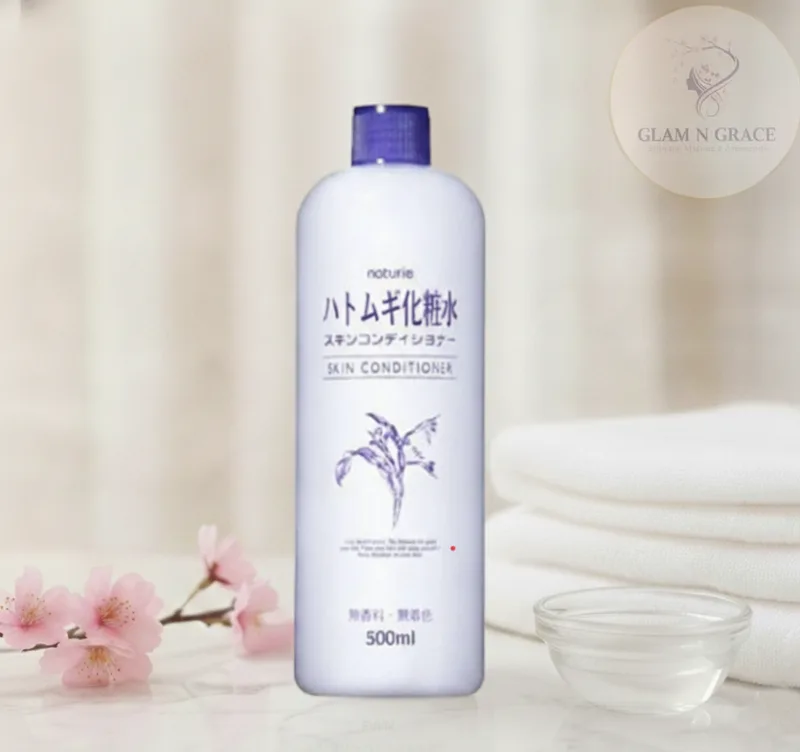
This is the step beginners skip most often, and it is the one that matters most. Japanese lotions (what most brands outside Japan would call a toner or essence) are lightweight, water-based liquids applied right after cleansing to immediately replace the moisture your skin just lost. They are not an optional extra — they are the foundation everything else is built on.
A hyaluronic acid–based lotion works for almost every skin type, oily or dry, because it hydrates without adding heaviness. Follow it with a slightly richer moisturizer or all-in-one gel to lock that hydration in.
Step 3: Sun Protection, Non-Negotiable
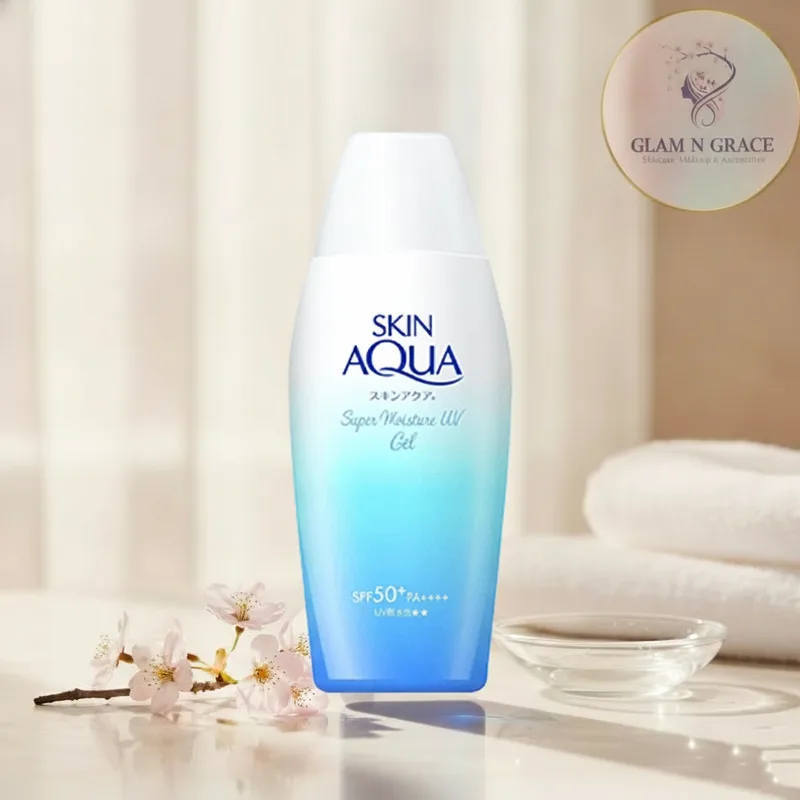
If you only take one habit from this entire guide, make it this one. Daily sunscreen is the single most effective anti-aging and skin-protection step that exists, and it matters even more in Bangladesh's high-UV climate than it does in Japan's. Look for a lightweight gel or milk sunscreen labeled SPF 50+ PA++++ — the kind that absorbs quickly and does not leave a heavy or greasy finish.
Skipping sunscreen because it is cloudy, or because you are "only going out for a bit," is the most common reason skincare routines stop working. UV exposure adds up throughout the day regardless of visible sun.
Step 4: Consistency Over Complexity
The entire point of a beginner routine is that you can do it every single day without dreading it. A four-step routine you actually complete morning and night will always outperform an eight-step routine you abandon after two weeks. Once cleansing, hydrating, and sun protection are automatic habits, you can layer in a treatment serum — for brightening, anti-aging, or specific concerns — without disrupting the foundation.
Common Beginner Mistakes to Avoid
- Skipping moisturizer because skin feels oily. Oily skin still needs hydration; skipping it often triggers more oil production, not less.
- Applying sunscreen only when it is sunny. UV rays penetrate clouds and windows.
- Switching products every week. Skin needs two to four weeks to show whether a product is actually working.
- Over-exfoliating. Start with cleansing and hydration alone for the first month before adding acids or scrubs.
FAQs
Do I need a 10-step Japanese routine to see results?
No. That reputation belongs to Korean skincare culture, not Japanese. A focused four-step routine — cleanse, hydrate, protect, and an optional treatment step — is closer to how Japanese skincare is actually used day to day.
How long before I see results?
Most people notice smoother, more hydrated skin within one to two weeks of consistent cleansing and hydration. Sun protection benefits (fewer dark spots, slower fine lines) show up over months, which is exactly why it needs to become a daily habit from day one, not something you add later.
Can I use Japanese skincare in Bangladesh's humidity?
Yes — in fact, lightweight, water-based Japanese formulas tend to perform better in humid climates than heavier Western creams, because they hydrate without feeling suffocating on the skin.
Conclusion
A Japanese-inspired skincare routine does not need to be complicated to be effective. Start with a gentle cleanser, a hydrating lotion, and daily sunscreen — that alone will outperform most elaborate routines simply because you will actually keep doing it. Once that foundation is solid, everything else you add is a bonus, not a requirement.
সংক্ষেপে (Summary in Bangla)
সংক্ষেপে বলতে গেলে, Japanese skincare routine শুরু করা অনেক সহজ — মাত্র ৪টা ধাপ দরকার: gentle cleanser দিয়ে মুখ পরিষ্কার করা, hydrating lotion লাগানো, moisturizer ব্যবহার করা, এবং সবচেয়ে জরুরি — প্রতিদিন sunscreen লাগানো। ১০ ধাপের কঠিন routine লাগবে না, শুধু এই কয়েকটা ধাপ প্রতিদিন নিয়ম করে করলেই ভালো ফলাফল পাওয়া যায়।