One of the most common skincare mistakes is using a routine designed for the wrong skin type — a heavy cream on oily skin, or a stripping gel cleanser on already-dry skin. Both mistakes make the underlying issue worse, not better. This guide compares product choices side by side for oily and dry skin, so you can match your routine to what your skin actually needs.
How to Tell Which Skin Type You Have
Oily skin typically shows visible shine by midday, especially in the T-zone, has more visible pores, and is more prone to breakouts. Dry skin feels tight after cleansing, may show flaking or rough patches, and rarely develops shine even by evening. Many people have combination skin — oily in the T-zone, dry or normal elsewhere — which usually means following the oily-skin guidance for the T-zone and dry-skin guidance for the cheeks and jawline.
Cleansers: Oily vs Dry Skin
Oily Skin
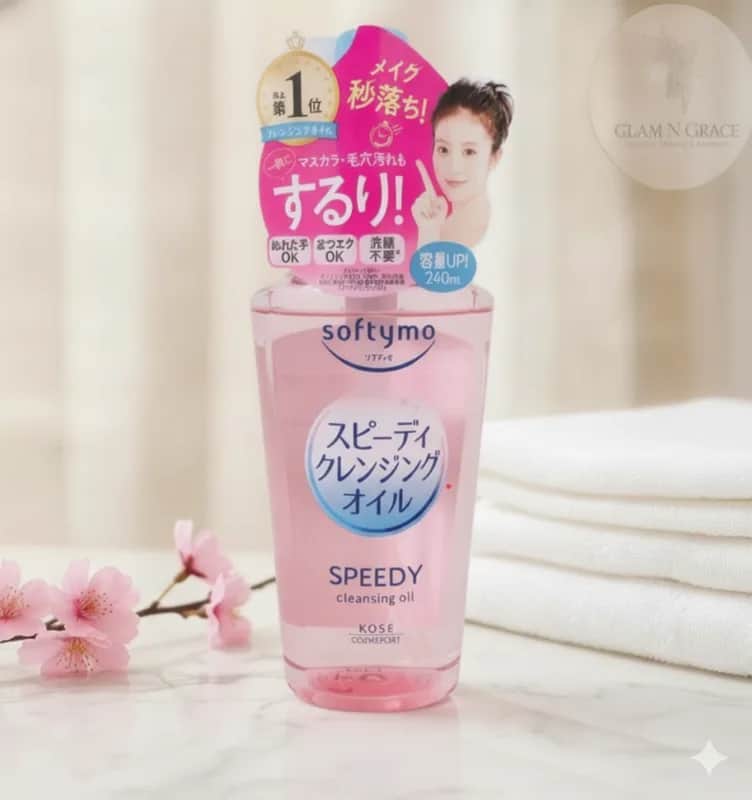
Choose a foaming or oil-based cleanser that thoroughly removes excess sebum without over-stripping. An oil cleanser may sound counterintuitive for oily skin, but products like the KOSE Softymo Speedy Cleansing Oil actually dissolve excess oil and sunscreen more effectively than a foaming cleanser alone, without the tightness that harsher stripping cleansers cause.
Dry Skin
Avoid strong foaming cleansers, which can strip the skin barrier further. A gentle, low-foam or cream-based cleanser is generally more comfortable, and cleansing once daily (typically at night) rather than twice may help preserve natural oils.
Moisturizers: Oily vs Dry Skin
Oily Skin
The instinct to skip moisturizer entirely is the most common mistake here. Oily skin still needs hydration — skipping it can trigger more oil production to compensate. Choose lightweight, gel-based, oil-free formulas that hydrate without adding heaviness.
Dry Skin
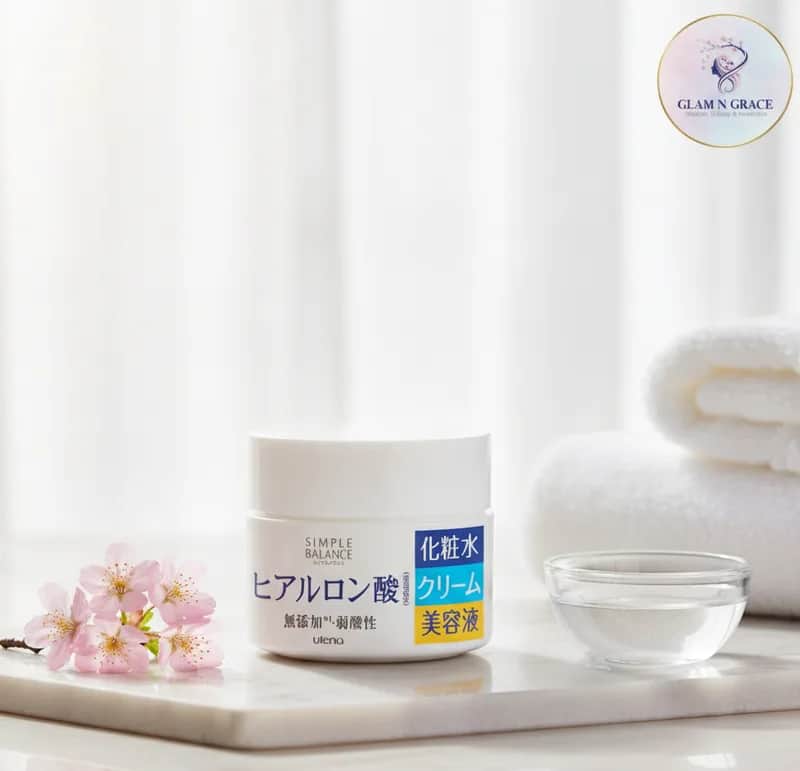
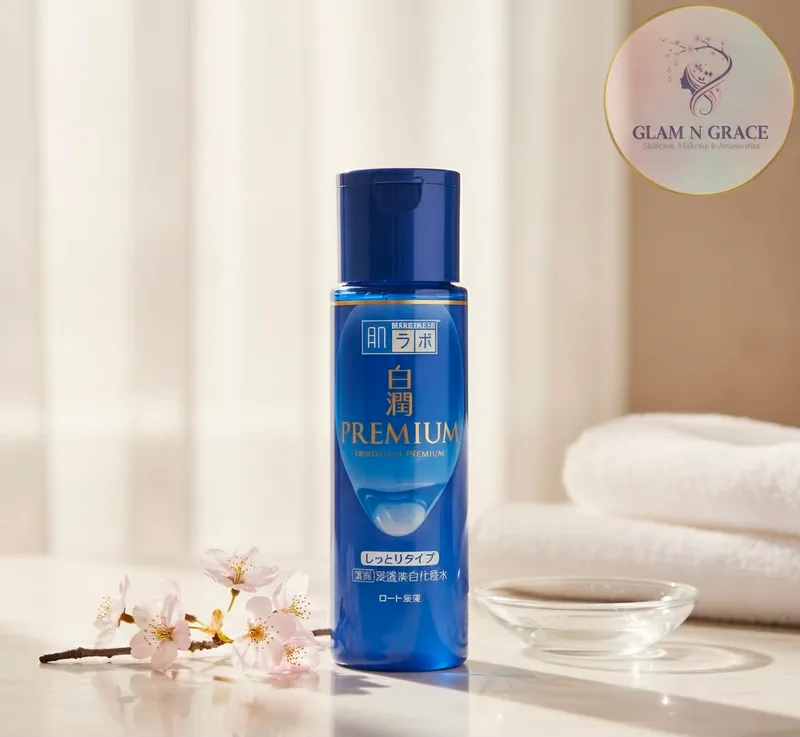
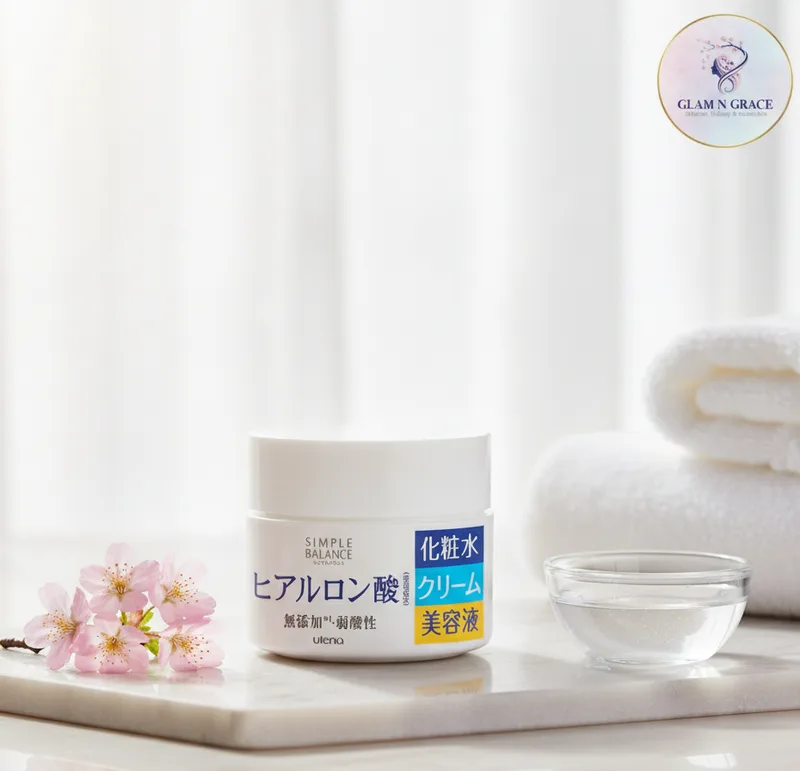
Dry skin benefits from richer, cream-based moisturizers with ingredients like hyaluronic acid and ceramides. A formula such as the Utena Simple Balance Hyaluronic Acid 3-in-1 Cream or the Hada Labo Shirojyun Premium Lotion provides deeper, longer-lasting hydration than a lightweight gel would for genuinely dry skin.
Sunscreen: Oily vs Dry Skin
Oily Skin
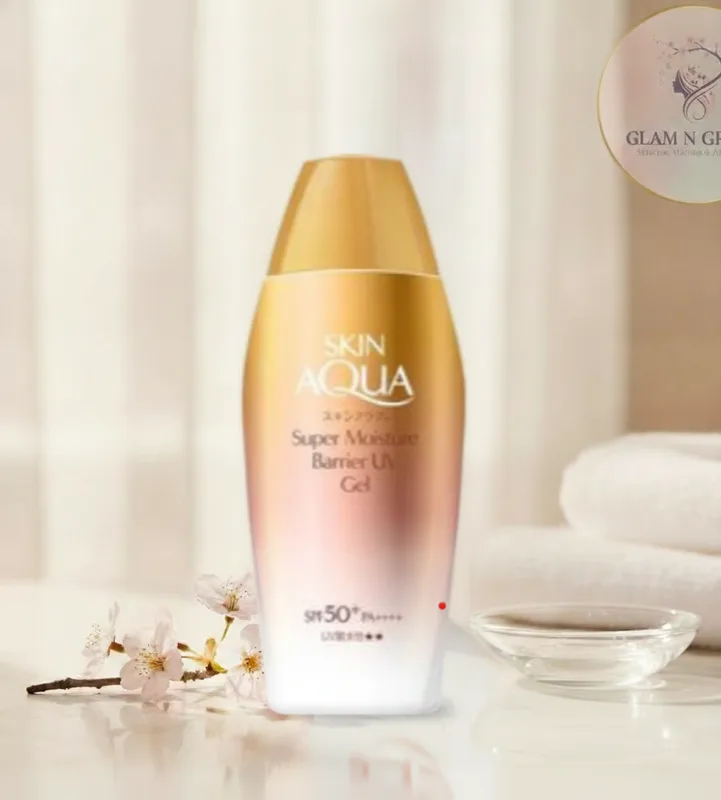
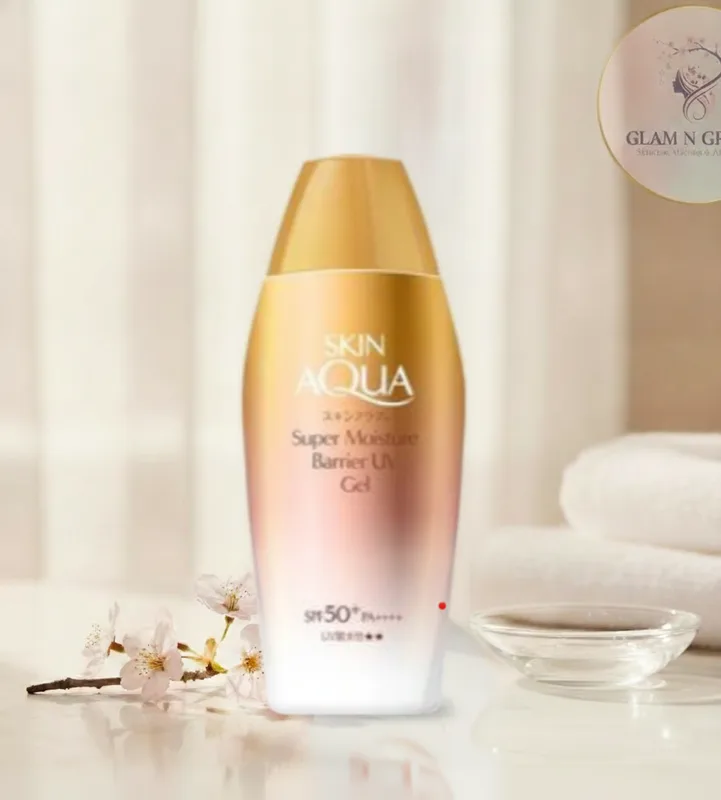
A gel-based sunscreen, like the Skin Aqua Super Moisture Barrier UV Gel SPF 50+ PA++++, sets to a lighter, less greasy finish and is less likely to feel heavy on already-oily skin.
Dry Skin
A milk-based sunscreen provides a touch of extra hydration alongside sun protection, which can prevent the tight, dry feeling a pure gel sunscreen might leave on dry skin. Look for a milk texture explicitly, rather than a matte or oil-control formula, which is optimized for the opposite skin type.
Side-by-Side Summary
| Step | Oily Skin | Dry Skin | |---|---|---| | Cleanser | Oil cleanse + light foam, once or twice daily | Gentle, low-foam or cream cleanser, once daily at night | | Moisturizer | Lightweight gel, oil-free | Rich cream with hyaluronic acid/ceramides | | Sunscreen | Gel texture, mattifying finish | Milk texture, added hydration | | Exfoliation | 2–3x weekly, chemical over physical | 1–2x weekly maximum, always followed by rich moisturizer |
Common Mistakes for Each Skin Type
- Oily skin: skipping moisturizer, over-cleansing (more than twice daily), and over-exfoliating in an attempt to "control" oil.
- Dry skin: using foaming cleansers twice daily, skipping sunscreen because skin already feels tight, and under-moisturizing out of fear of feeling greasy.
FAQs
Can combination skin follow one single set of product choices?
Not exactly — most people with combination skin get better results applying oily-skin guidance to the T-zone and dry-skin guidance to the cheeks, rather than choosing one approach for the entire face.
Will using the wrong products actually make my skin type worse?
Yes, often. Over-stripping oily skin can trigger more oil production, and under-moisturizing dry skin can worsen barrier damage and flaking over time.
Does skin type change with seasons or climate?
It can shift somewhat with humidity and temperature, but in Bangladesh's consistently hot, humid climate, most people's underlying skin type stays fairly stable year-round, with humidity mainly affecting how heavy a texture feels rather than changing the fundamental skin type.
Conclusion
Oily and dry skin are not just cosmetically different — they need genuinely different cleansers, moisturizer weights, and sunscreen textures. Matching your product choices to your actual skin type, rather than following a generic routine, is one of the highest-impact changes you can make to how your skincare routine performs.
সংক্ষেপে (Summary in Bangla)
Oily skin-এর জন্য lightweight, oil-free cleanser আর gel moisturizer ভালো, আর dry skin-এর জন্য gentle cleanser আর rich, hydrating cream দরকার। ভুল product type ব্যবহার করলে সমস্যা আরও বাড়তে পারে — তাই নিজের actual skin type বুঝে product বেছে নেওয়াটাই সবচেয়ে জরুরি।