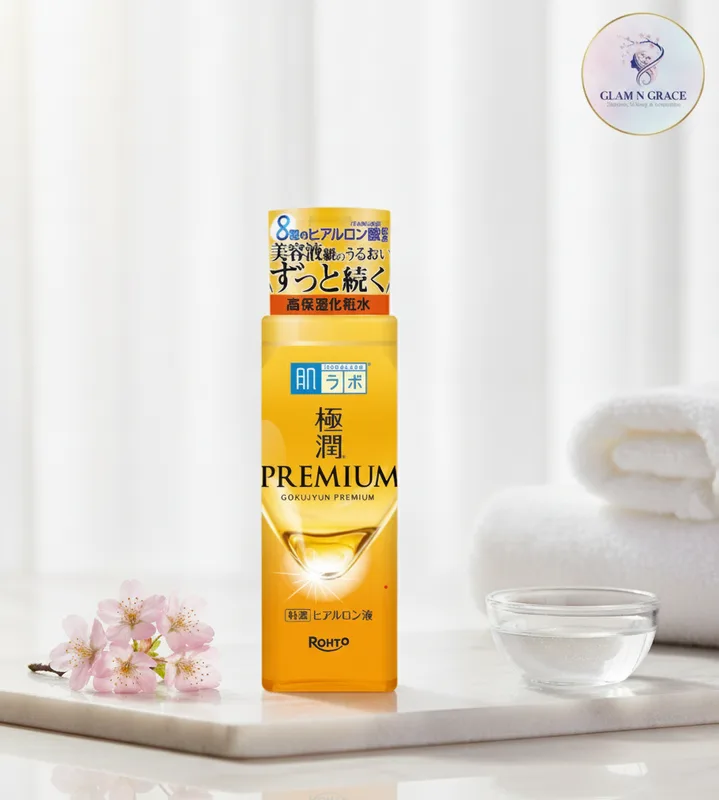
"J-beauty" and "K-beauty" are often used almost interchangeably in skincare marketing, but the two traditions come from genuinely different philosophies, and understanding the difference helps you choose products that actually match how you want to build a routine — rather than following the reputation of a whole country's beauty industry without knowing what makes it distinct.
Different Philosophies, Different Routines
Japanese Skincare: Minimalism and Long-Term Consistency
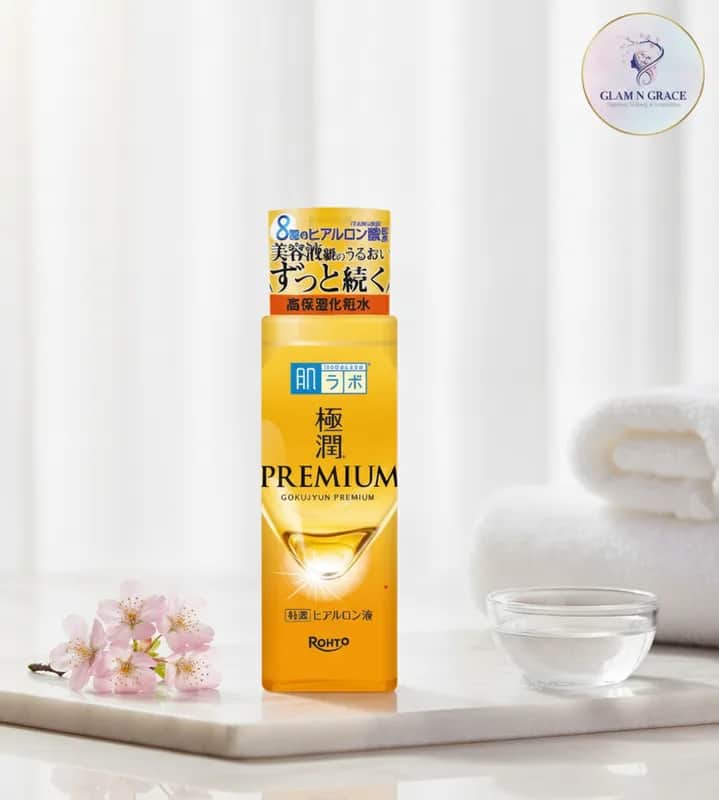
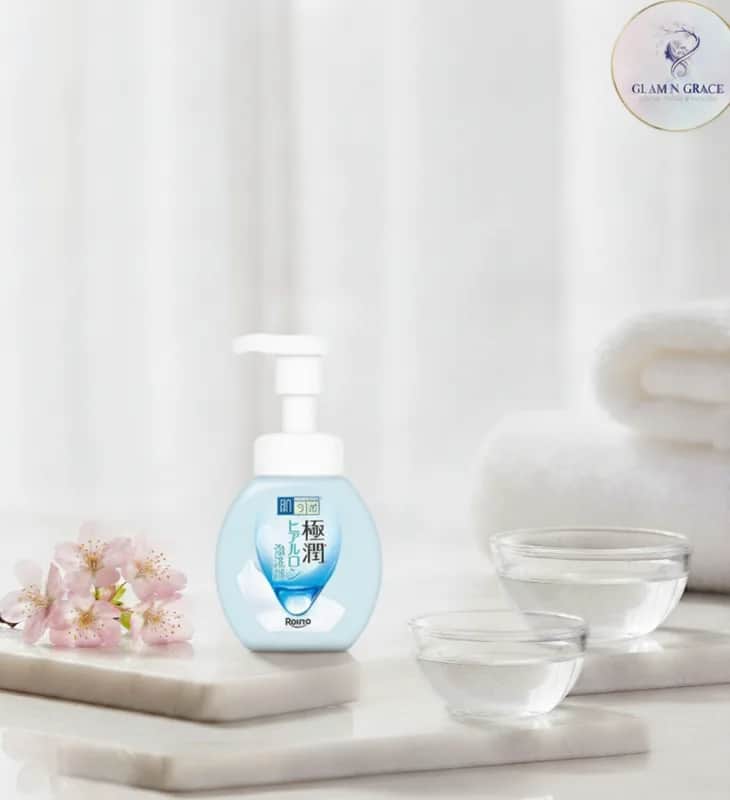
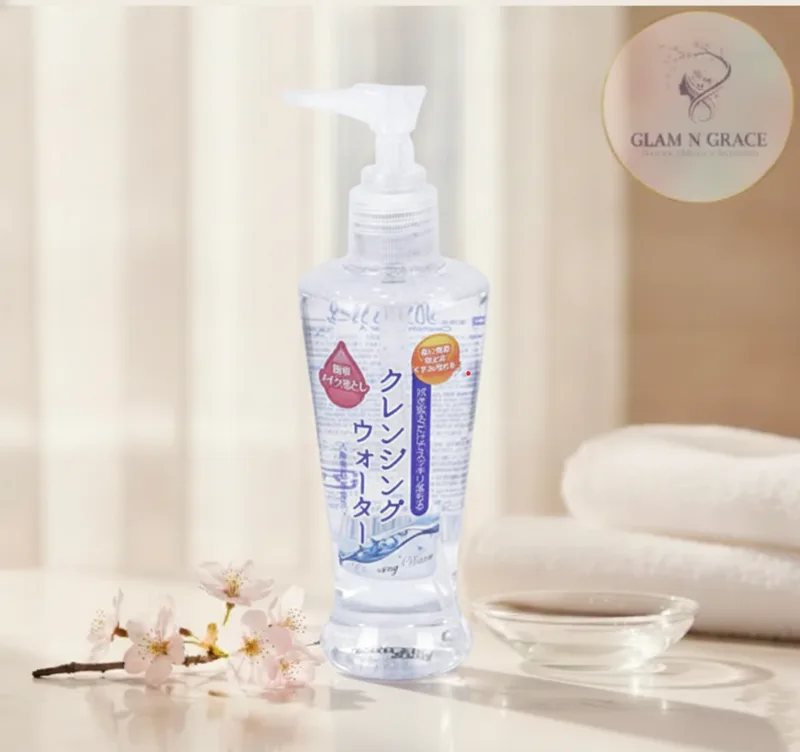
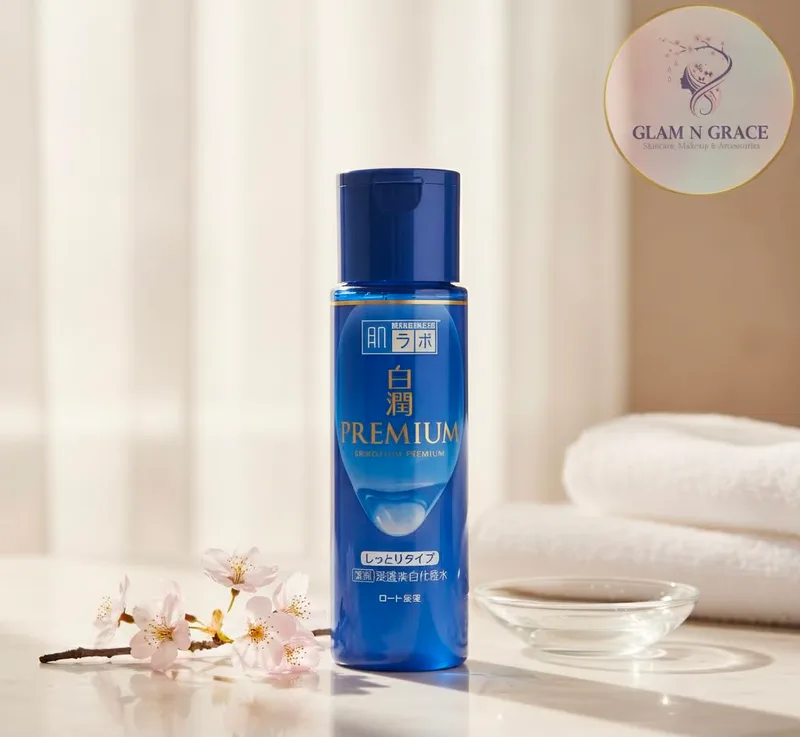
Japanese skincare culture is built around the idea of "suppin bijin" — skin that looks healthy and cared-for without makeup, achieved through years of gentle, consistent habits rather than dramatic short-term interventions. The routine is typically short: a gentle cleanser, a hydrating lotion, a moisturizer, and daily sunscreen. Innovation happens within formulas — better delivery of hyaluronic acid, gentler surfactants — rather than through adding more steps.
Korean Skincare: Layering and Trend-Driven Innovation
Korean skincare became globally famous for the "10-step routine" — multiple layered toners, essences, ampoules, sheet masks, and often more aggressive use of actives like snail mucin, niacinamide blends, and centella asiatica. K-beauty as an industry also moves faster on trends, regularly introducing new ingredient categories and product formats.
Neither approach is "better" in an absolute sense — they solve for different priorities. Japanese skincare optimizes for a routine you can sustain for decades. Korean skincare optimizes for targeting specific concerns quickly, often with more steps.
Ingredient Focus: What Each Tradition Prioritizes
Japanese formulations lean heavily on time-tested, dermatologist-friendly ingredients: hyaluronic acid for hydration, ceramides for barrier repair, and mild, low-irritation surfactants in cleansers. The emphasis is on ingredients with decades of safety and efficacy data behind them.
Korean formulations are quicker to adopt newer or more novel ingredients — fermented extracts, propolis, various snail-derived compounds — and often combine several actives in a single product. This can mean faster visible results for specific concerns, but also a higher chance of irritation if you layer too many actives at once.
Texture and Sensory Experience
This is where the difference is most immediately noticeable. Japanese lotions and creams tend to be thin, watery, and fast-absorbing — designed to disappear into the skin rather than sit as a visible layer. Korean products more often include gel, essence, or "glass skin" finishing textures designed to leave a dewy, visible glow.
If you dislike the feeling of layered products on your skin, Japanese formulas will likely suit you better. If you enjoy a more elaborate, multi-texture routine and do not mind extra steps, Korean skincare may appeal more.
Sun Protection Culture
Both traditions treat sunscreen as essential, but Japanese sunscreens in particular are known for extremely refined, nearly weightless textures — a direct result of decades of domestic competition among Japanese cosmetic brands to make daily SPF wear as comfortable as possible. This is a genuine strength worth highlighting if you struggle to enjoy wearing sunscreen daily.
Which Should You Choose?
- Choose Japanese skincare if you want a short, low-maintenance routine, prefer lightweight textures, and want ingredients with a long track record of gentleness.
- Choose Korean skincare if you enjoy a more elaborate routine, want to target specific concerns with newer actives, and do not mind more steps and potential trial-and-error.
Many people also mix both — a Japanese cleanser and sunscreen, paired with a Korean serum for a specific concern, for example. There is no rule requiring you to pick only one tradition.
FAQs
Is one actually better for sensitive skin?
Generally, Japanese formulas skew gentler on average, given the cultural emphasis on minimal irritation. That said, sensitivity is individual — patch-test any new product regardless of its country of origin.
Do Japanese products work well in humid climates like Bangladesh?
Yes, often better than heavier Western creams — the thin, fast-absorbing textures common in Japanese skincare tend to feel more comfortable in heat and humidity than thicker layered routines.
Can I combine Japanese and Korean products in one routine?
Absolutely. Many people use a Japanese cleanser and sunscreen with a Korean treatment serum. Just introduce new actives one at a time to identify what your skin tolerates well.
Conclusion
The real difference between Japanese and Korean skincare is not quality — it is philosophy. Japanese skincare favors a short, consistent, gentle routine built for decades of daily use. Korean skincare favors layered, trend-forward routines built for targeting specific concerns quickly. Neither is objectively superior; the right choice depends on how much routine you actually want to maintain.
সংক্ষেপে (Summary in Bangla)
Japanese skincare সহজ ও কম ধাপের হয় — cleanser, lotion, moisturizer, sunscreen — আর দীর্ঘদিন ধরে গায়ে মানিয়ে যাওয়া ingredients ব্যবহার করে। Korean skincare-এ বেশি ধাপ থাকে এবং নতুন ও trendy ingredients বেশি ব্যবহার হয়। কোনোটাই খারাপ না — তোমার routine কতটা সহজ রাখতে চাও তার উপর নির্ভর করে কোনটা বেছে নেবে।