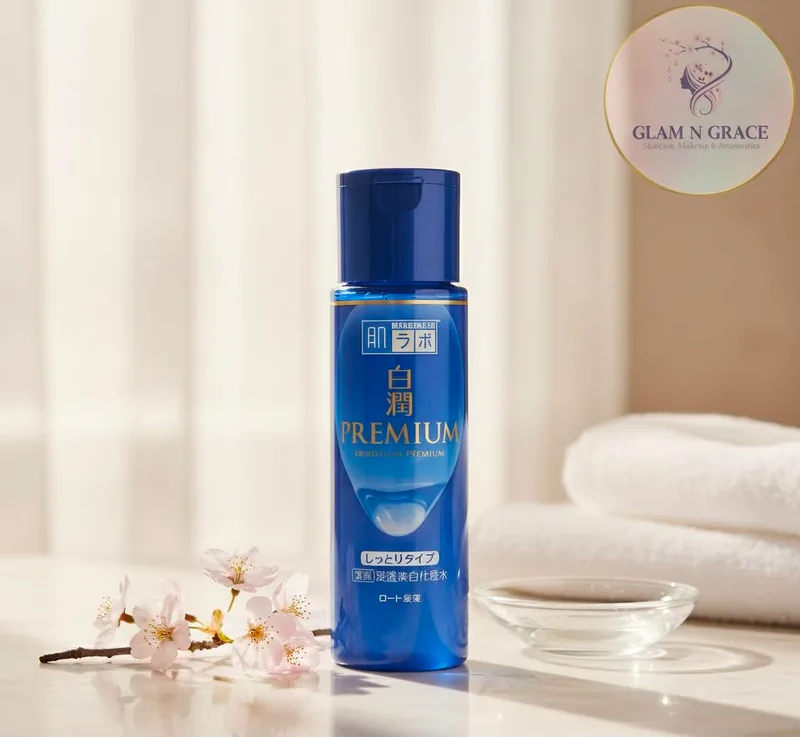
Japanese skincare's reputation for quality has made it a frequent target for counterfeiting, particularly through unverified online marketplaces and resellers. Because many popular Japanese products — cleansers, lotions, sunscreens — are sold in similar-looking packaging across different regions, spotting a fake is not always obvious at a glance. Here is what to actually check.
Why Counterfeit Japanese Skincare Is a Real Risk
Authentic Japanese skincare formulas go through strict domestic quality and safety standards. Counterfeit versions bypass all of that — at best, you get a diluted or ineffective product; at worst, you are applying an unregulated substance to your skin with no safety testing behind it. Because Japanese skincare brands are popular and trusted internationally, they are frequently counterfeited, especially products sold through third-party online marketplaces without verified sourcing.
What to Check on the Packaging
1. Japanese Text and Import Labeling
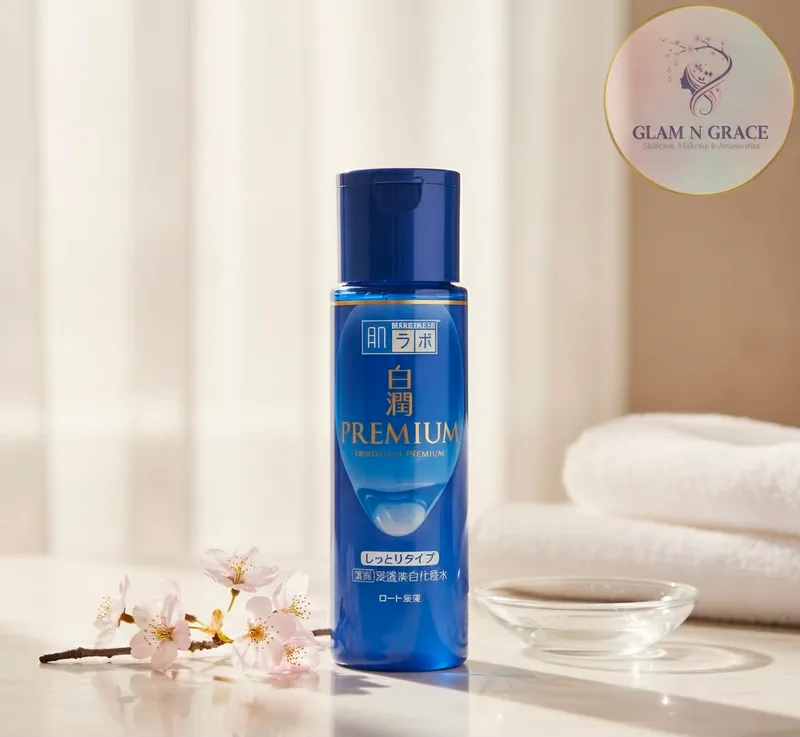
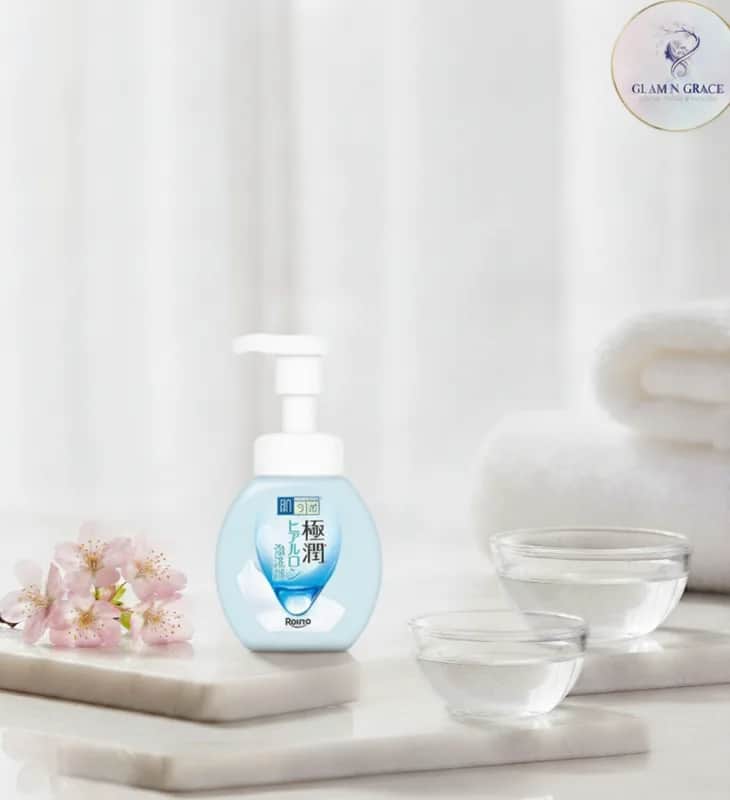
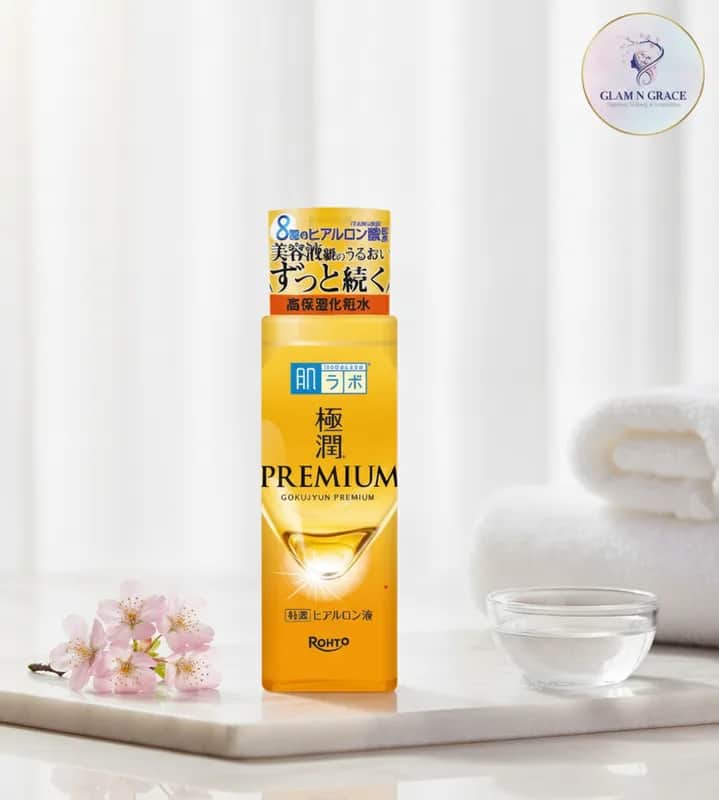
Genuine Japanese skincare sold for the domestic market is labeled primarily in Japanese, often with an additional sticker for the importing country's language when sold internationally through legitimate channels. Packaging that looks slightly "off" — blurry printing, inconsistent fonts, or text that reads like a rough translation — is a warning sign.
2. Batch Codes and Manufacturing Dates
Authentic products carry a printed batch code, usually a short alphanumeric string stamped or printed on the box and the bottle itself, matching between the two. Missing batch codes, or codes that do not match between packaging and product, are a red flag.
3. Texture, Scent, and Consistency
If you have used a genuine version of a product before, trust your senses. Counterfeit products often have a noticeably different texture (too watery, too thick), an off or overly strong fragrance, or a color that does not match what you remember.
4. Barcode Verification
Genuine products carry a standard barcode that, when checked, correctly identifies the manufacturer and product. While this is not foolproof on its own, a barcode that fails to scan correctly or returns an unrelated product is a strong warning sign.
Where You Buy Matters More Than Anything Else
The single most reliable way to avoid counterfeits is sourcing from a seller who can verify their supply chain, rather than trying to spot fakes product-by-product after the fact. This is exactly why GlamNGrace sources directly from trusted Japanese retail channels rather than unverified bulk resellers — every product listed goes through the same sourcing path, so you are not relying on packaging inspection alone.
- Prefer sellers who disclose their sourcing, not just "imported from Japan" with no further detail.
- Be cautious of prices dramatically below the typical retail range for a given product — counterfeiters compete primarily on price.
- Check for consistent product photography that matches the actual item you receive, not generic stock images.
Red Flags That Should Make You Pause
- Price significantly lower than every other seller of the same product.
- No batch code, or a batch code that does not match between box and bottle.
- Packaging text that looks poorly printed or inconsistently aligned.
- A seller unwilling to explain where their stock comes from.
FAQs
Can I verify authenticity after I've already bought a product?
To a degree — check batch codes, compare texture and scent against known genuine versions, and verify the barcode where possible. However, prevention through trusted sourcing is far more reliable than after-the-fact verification.
Are all cheap Japanese skincare products fake?
Not necessarily — but unusually large price gaps compared to typical retail pricing for the same product are one of the most common counterfeit indicators, and worth treating with caution.
Does GlamNGrace guarantee authenticity?
Yes — every product on GlamNGrace is sourced through verified channels specifically to avoid the counterfeit risk common with unverified resellers, so you are not left checking batch codes on your own.
Conclusion
Identifying counterfeit Japanese skincare comes down to checking packaging details, trusting your senses against products you know well, and — most importantly — buying from a source that can account for where its stock actually comes from. That last point matters more than any single packaging check, since sourcing is what prevents the problem in the first place.
সংক্ষেপে (Summary in Bangla)
Authentic Japanese skincare চেনার জন্য packaging-এর Japanese text, batch code, এবং product-এর texture/smell খেয়াল করা জরুরি। কিন্তু সবচেয়ে নির্ভরযোগ্য উপায় হলো এমন জায়গা থেকে কেনা যেখানে sourcing verified — যেমন GlamNGrace সরাসরি trusted channel থেকে product আনে, তাই আলাদা করে packaging check করার দরকার হয় না।